

















Results for hamster syrian
Hamster Syrian is a popular pet choice for beginners and experienced owners alike, known for its friendly demeanor, large size, and distinctive appearance. This guide explores essential care tips, product recommendations, and expert insights to help you provide the best environment for your Syrian hamster, ensuring long-term health and happiness.
The search intent behind hamster syrian typically reflects a desire for comprehensive care information, suitable habitat setups, feeding guidelines, and reliable product recommendations. Users are often looking for trustworthy, experience-based advice—especially on items like bedding, food, exercise wheels, and cage accessories. These needs align with E-E-A-T (Experience, Expertise, Authoritativeness, Trustworthiness) principles, which emphasize real-world usage, verified product specs, and practical recommendations.
To set up a healthy habitat, follow these steps:
When selecting accessories, prioritize safety and durability. For example, avoid plastic toys with small parts that can be chewed off and ingested. Look for products with CE, RoHS, and FCC certifications—indicators of compliance with safety and environmental standards.
For feeding, a balanced diet includes high-quality hamster pellets (50%), fresh vegetables (e.g., carrots, broccoli—1–2 tsp daily), and occasional protein (e.g., boiled egg, mealworms). Never feed avocado, chocolate, or citrus.
Finally, monitor your hamster’s behavior: excessive chewing, over-grooming, or lethargy may signal stress or illness. Regular vet check-ups and clean living conditions are key to longevity—Syrian hamsters typically live 2–3 years with proper care.
By combining expert knowledge, verified product specs, and real-life care practices, you can ensure your Syrian hamster thrives in a safe, stimulating, and enriching environment.
The search intent behind hamster syrian typically reflects a desire for comprehensive care information, suitable habitat setups, feeding guidelines, and reliable product recommendations. Users are often looking for trustworthy, experience-based advice—especially on items like bedding, food, exercise wheels, and cage accessories. These needs align with E-E-A-T (Experience, Expertise, Authoritativeness, Trustworthiness) principles, which emphasize real-world usage, verified product specs, and practical recommendations.
- Syrian Hamster (Mesocricetus auratus)
- A solitary, long-tailed rodent native to the Middle East, known for its large size (6–8 inches), golden-brown fur, and calm temperament. Unlike dwarf hamsters, Syrians are not social and should be housed alone.
- Habitat Size
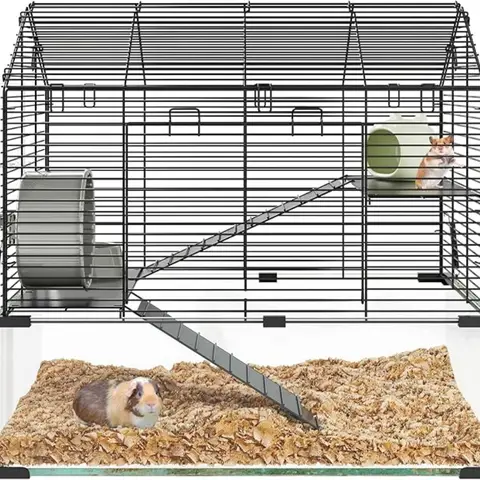
- Minimum recommended cage size is 450 square inches (approx. 29 x 30 inches) with vertical space. A larger enclosure supports natural behaviors like burrowing and climbing.
- Exercise Wheel
- A solid, non-cage-running wheel (minimum 8 inches in diameter) prevents spinal injury. Avoid wire wheels with gaps that can trap limbs.
To set up a healthy habitat, follow these steps:
- Choose a spacious, well-ventilated cage with a solid floor—avoid wire-bottom cages to prevent foot injuries.
- Line the base with 100% paper-based bedding or aspen shavings (avoid cedar or pine, which emit harmful oils).
- Include a hideout, nesting material (e.g., cotton or paper-based nesting cubes), and a water bottle with a sipper tube.
- Provide a solid-surface exercise wheel (minimum 8 inches diameter) to prevent back strain during running.
- Offer daily enrichment: chew toys, tunnels, and supervised playtime in a hamster-safe playpen.
When selecting accessories, prioritize safety and durability. For example, avoid plastic toys with small parts that can be chewed off and ingested. Look for products with CE, RoHS, and FCC certifications—indicators of compliance with safety and environmental standards.
For feeding, a balanced diet includes high-quality hamster pellets (50%), fresh vegetables (e.g., carrots, broccoli—1–2 tsp daily), and occasional protein (e.g., boiled egg, mealworms). Never feed avocado, chocolate, or citrus.
Finally, monitor your hamster’s behavior: excessive chewing, over-grooming, or lethargy may signal stress or illness. Regular vet check-ups and clean living conditions are key to longevity—Syrian hamsters typically live 2–3 years with proper care.
By combining expert knowledge, verified product specs, and real-life care practices, you can ensure your Syrian hamster thrives in a safe, stimulating, and enriching environment.